


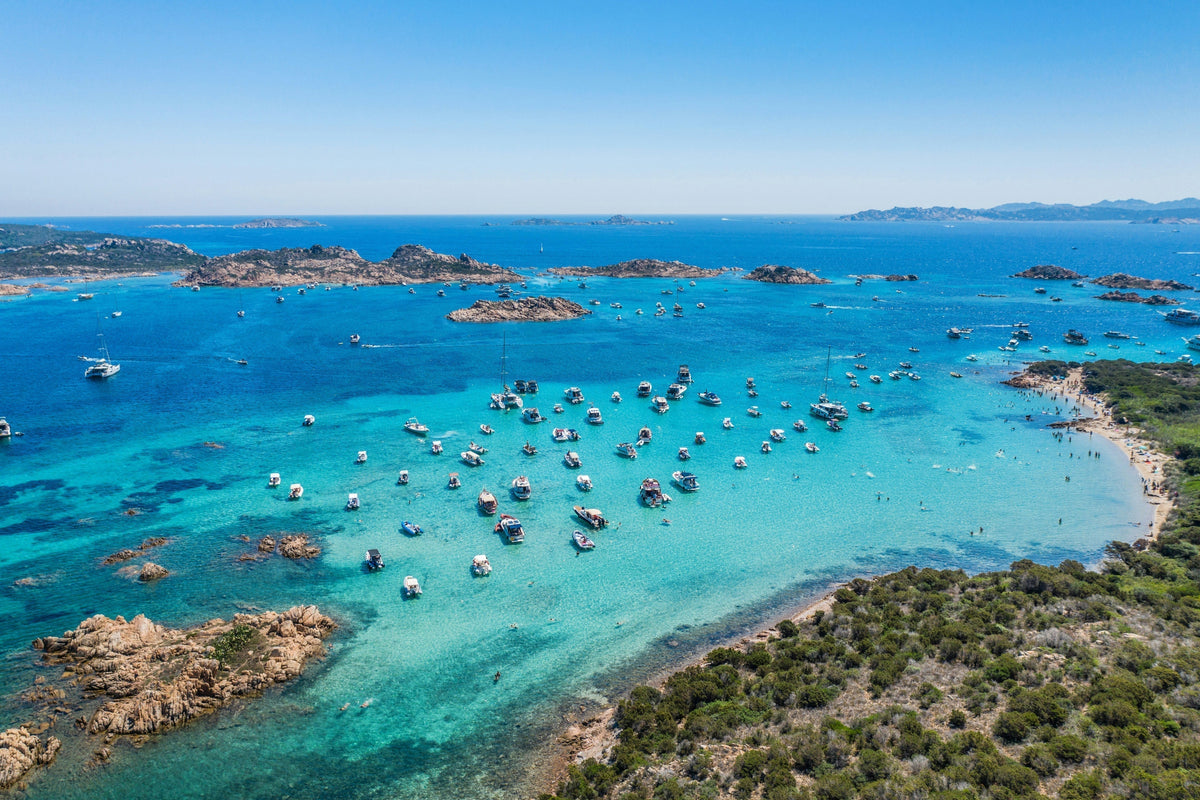
In 2025 I found myself in a little village in Sardinia, Italy, with my wife Wendy. We were stationed about 800 metres above sea level in shepherd country. The terrain was famously hilly and the narrow walkways often had cobblestones underfoot. Each step felt like exercise, and there was nothing leisurely about it.
Around us the elderly and youth moved all day, with varying degrees of difficulty. There were no gyms where we were, daily life provided enough of a challenge. Food wasn’t quick or convenient there but slow and purposeful. Pasta and bread were made from scratch, vegetables were pulled from the earth of backyard gardens or sourced manually at local markets. I helped a family prepare a meal just once – and can attest its arduous nature. Yet the people worked relentlessly to share what they had over wine and stories with relatives, friends and neighbors. Villagers would often keep their doors open for townspeople to drift in and out. The lifestyle was messy, warm and deeply human. It was in these moments I began to grasp an understanding of what a Blue Zone really embodied. More than a diet or a sum of its parts, it was a way of living.
Sardinia is just one of the five known Blue Zones around the world, identified for a unique make up that allows inhabitants to live exceptionally long, healthy lives. Other such regions include Okinawa in Japan, Ikaria in Greece, Nicoya in Costa Rica and Loma Linda in California.Their customs and habits are steeped in history and culture, a result of their environments, and although spread far across the map, the study of these distinct areas has brought to light noticeable parallelisms.


